Novel Middle School ELA (6–8)
Novel Middle School ELA builds units around whole novels, immersing students in sustained, book-length reading experiences that develop both deep content knowledge and literary understanding. This knowledge-building approach centers rigorous, culturally diverse texts as the engine for literacy development across grades 6–8. Each unit is organized around a compelling, content-rich topic, such as the Holocaust, Indigenous history, and the American Dream. Purposeful instructional routines—including inquiry loops, annotation protocols, and text-dependent questioning—create a consistent classroom rhythm that supports both teacher implementation and student learning. Students have daily opportunities to write, moving from informal daily tasks to extended analytical and narrative pieces anchored in the texts being studied. The curriculum’s diverse learning supports include strategically scaffolded materials, and its targeted guidance for multilingual learners ensures that grade-level rigor remains accessible to all students.
Rich, rigorous, diverse texts:
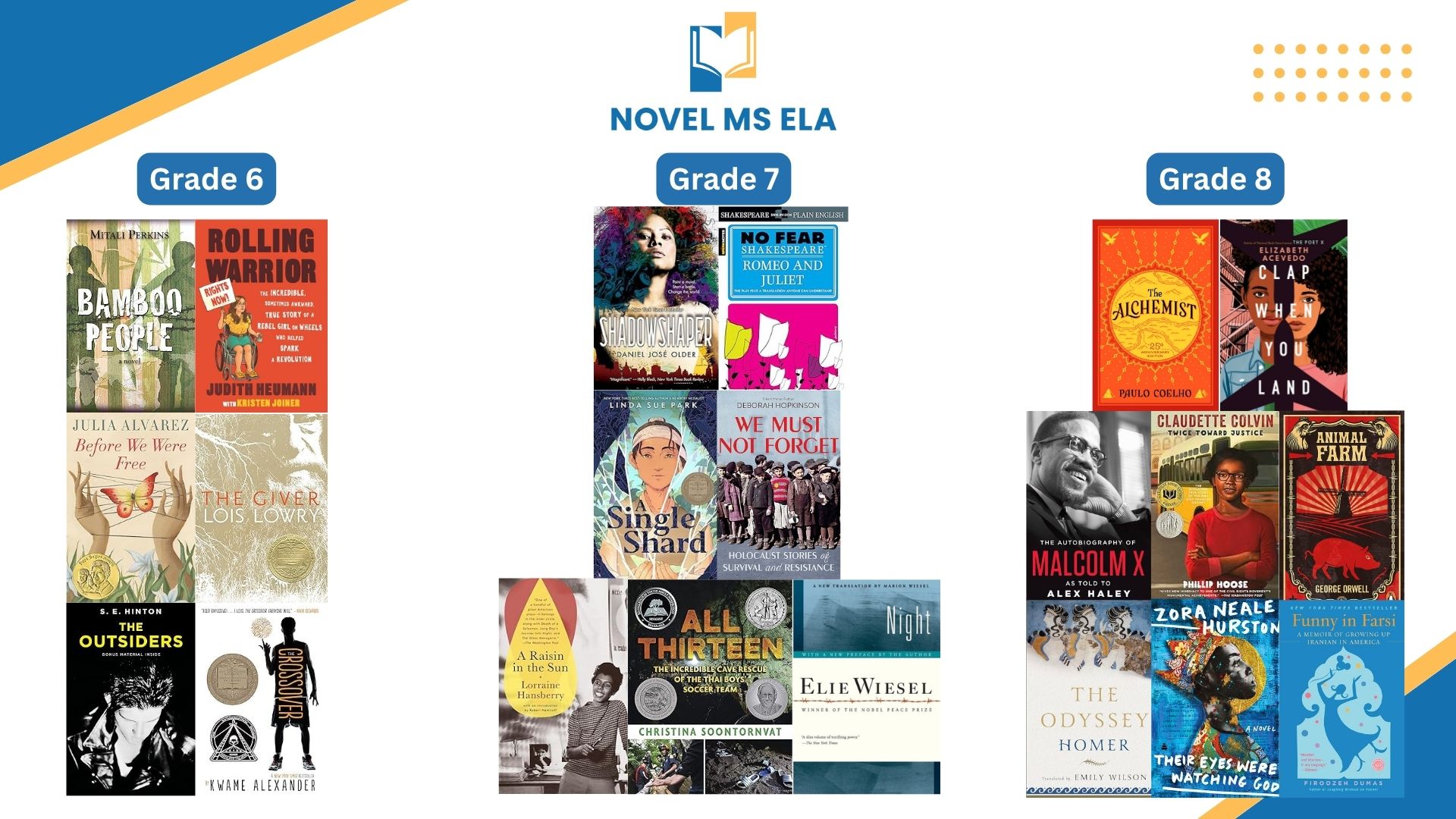
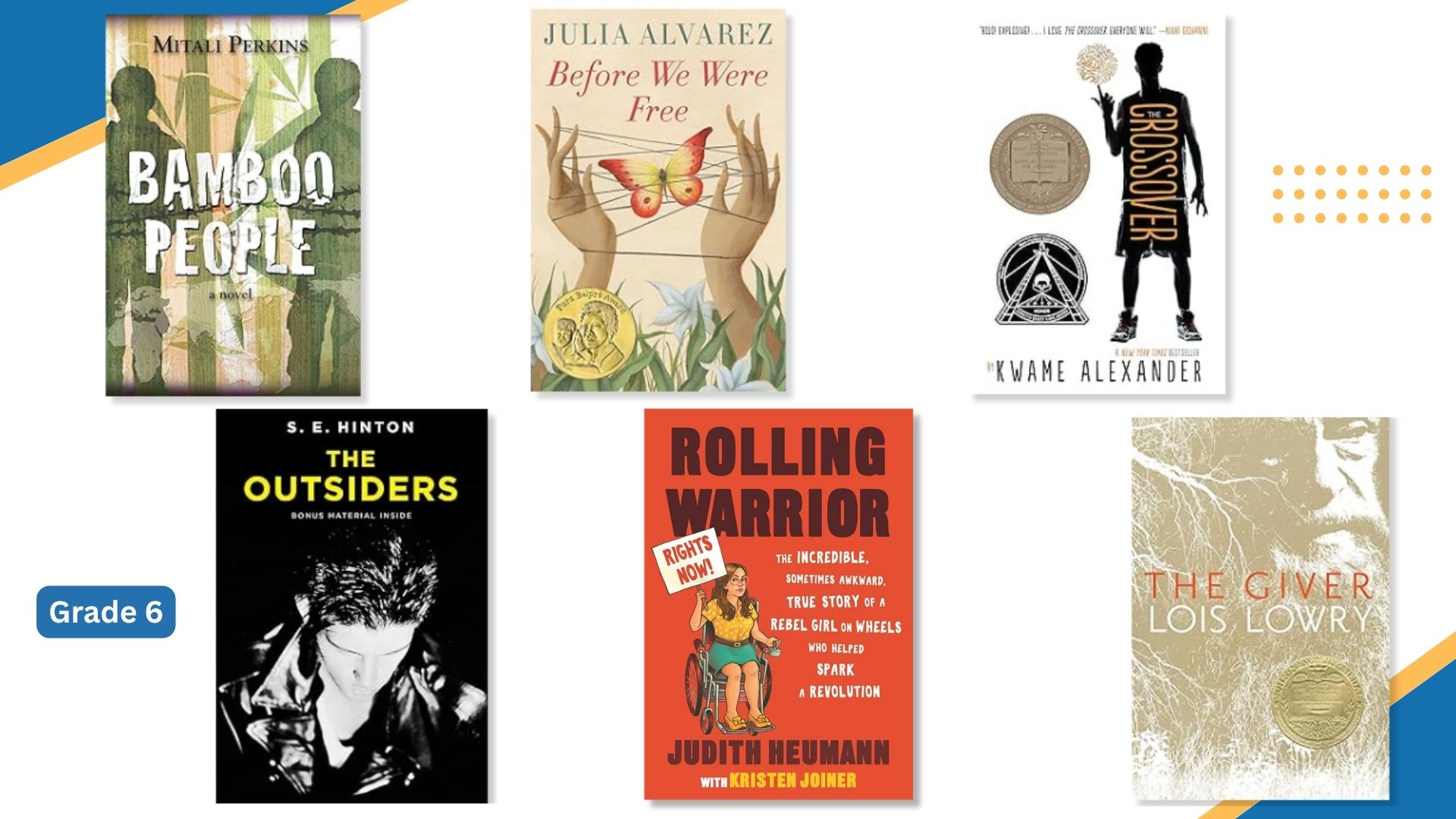
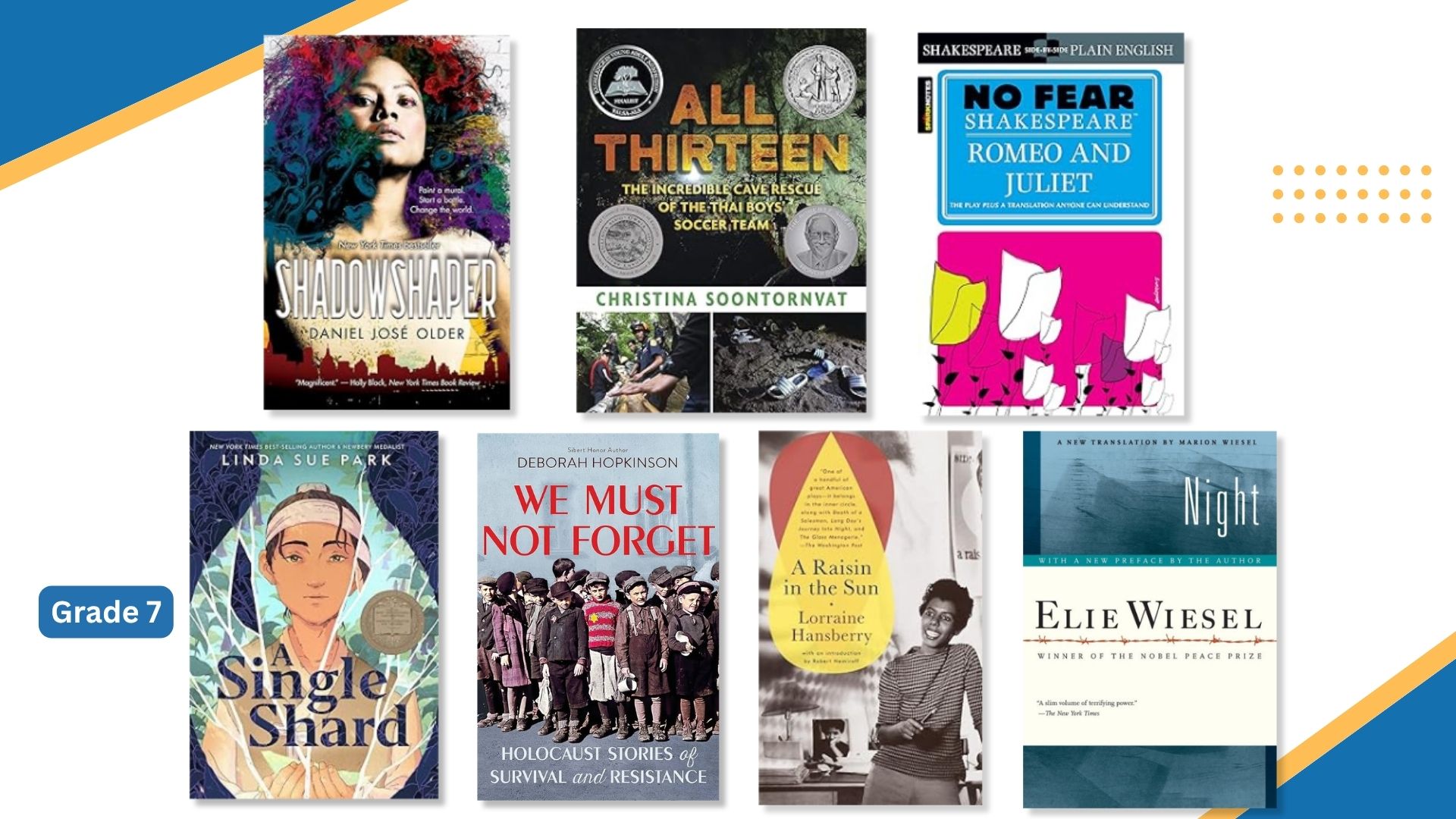
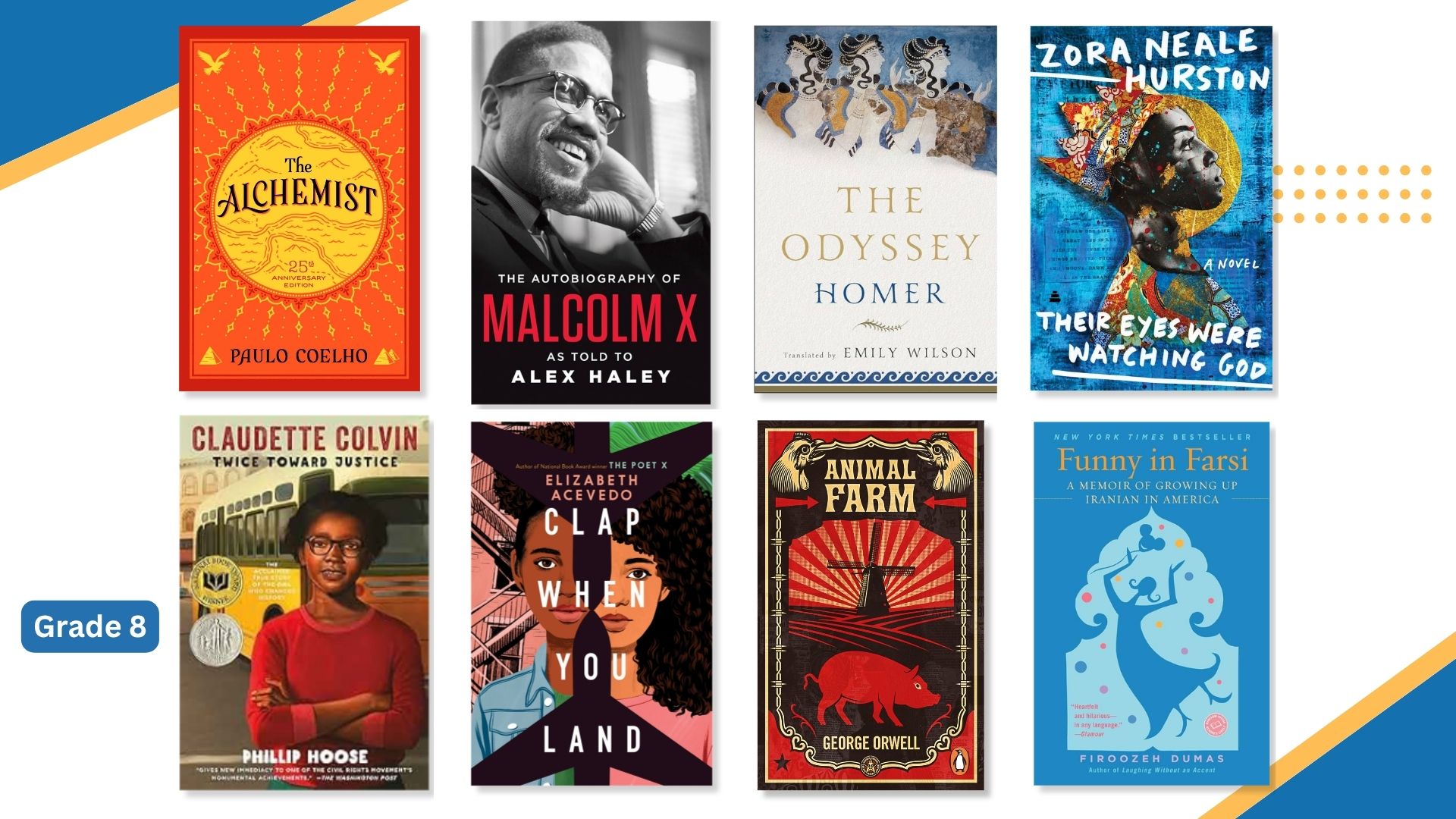
How Novel Middle School ELA designs for:
Deep knowledge building
Novel Middle School ELA builds deep content knowledge through carefully curated anchor texts organized around compelling, topically coherent units spanning history, social studies, and the humanities. Across grades 6–8, units center on rich, discipline-specific topics—such as the Holocaust, Indigenous history, and the Burmese Civil War—and use literary and informational texts that build both vocabulary and conceptual understanding. Each unit pairs a complex anchor text with supplementary nonfiction texts, videos, and resources that provide the layered context students need to engage deeply with the anchor text. By grounding the curriculum in full-length novels and content-rich text sets, Novel ELA Middle School ensures that lessons are focused on students securing specific knowledge about the content and structure of what they read, rather than treating texts merely as vehicles for discrete skills practice.
Students engage daily in academic discourse and evidence-based writing that deepen comprehension and reinforce knowledge-building across the unit. Embedded routines—including annotation, synthesis jots, partner discussion, and whole-group inquiry—create consistent structures for students to process and interpret complex texts collaboratively, with every response grounded in textual evidence. Discussion moves from partner to small-group to whole-class settings, building toward culminating tasks such as Socratic Seminars that invite students to synthesize their learning through sustained dialogue. Writing instruction is woven throughout each unit. Sentence-level writing tools provide explicit scaffolding for students to construct complex, evidence-based responses, which ensures that writing functions not only as a demonstration of understanding but also as a tool for deepening it.
Foundational skills and fluency for beginning and older readers
Novel Middle School ELA is designed for grades 6–8 and therefore does not include an early reading or explicit foundational skills program. Fluency is supported primarily through a high volume of reading, with students engaging in repeated encounters with complex anchor texts across multiple lessons as well as independent reading from topically connected supplemental text sets. Additionally, the curriculum includes a partner reading routine that provides support and practice with fluency that occurs roughly every 2–3 lessons. At the lesson level, sentence starters, strategically scaffolded student handouts, and structured discussion scaffolds help students reading below grade level to access grade-level content alongside their peers without reducing cognitive demand. The curriculum’s foundational documents also include recommendations for supporting students below grade level through choral and echo reading supports and targeted strategies for multilingual learners to support text access and language development.
Equitable access to challenging texts
Students regularly engage with high-quality, complex, grade-level novels as anchor texts that are thoughtfully curated to be both intellectually rigorous and engaging for adolescent readers. The curriculum is intentionally designed to support all learners to access grade-level content without reducing cognitive demand. At the lesson level, substantive diverse learner supports—including sentence starters, additional discussion and writing prompts, and differentiated student handouts—are embedded throughout instruction, ensuring that diverse learners can participate fully alongside their peers. Partner and choral reading routines include specific guidance for meeting the needs of students reading below grade level, and the curriculum’s foundational documents provide targeted strategies for multilingual learners to support both text access and language development. Throughout each unit, students engage in a range of oral and written activities to build and express their understanding of the texts. Units culminate in performance tasks that require students to draw on the knowledge, skills, and habits developed across the unit, providing a meaningful opportunity to demonstrate growth.
Topics of study
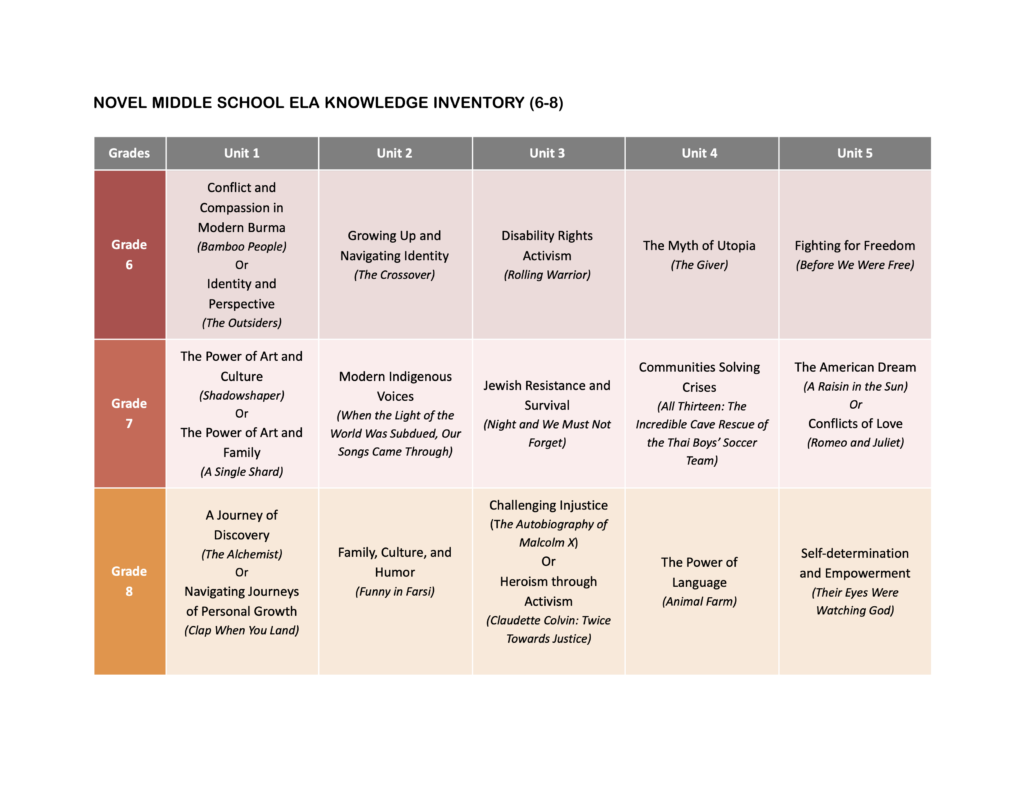
Learning and exhibiting deep knowledge
Access Novel Middle School ELA
Novel Middle School ELA was developed by Novel Education Partners. Visit their website to learn more about accessing the curriculum.